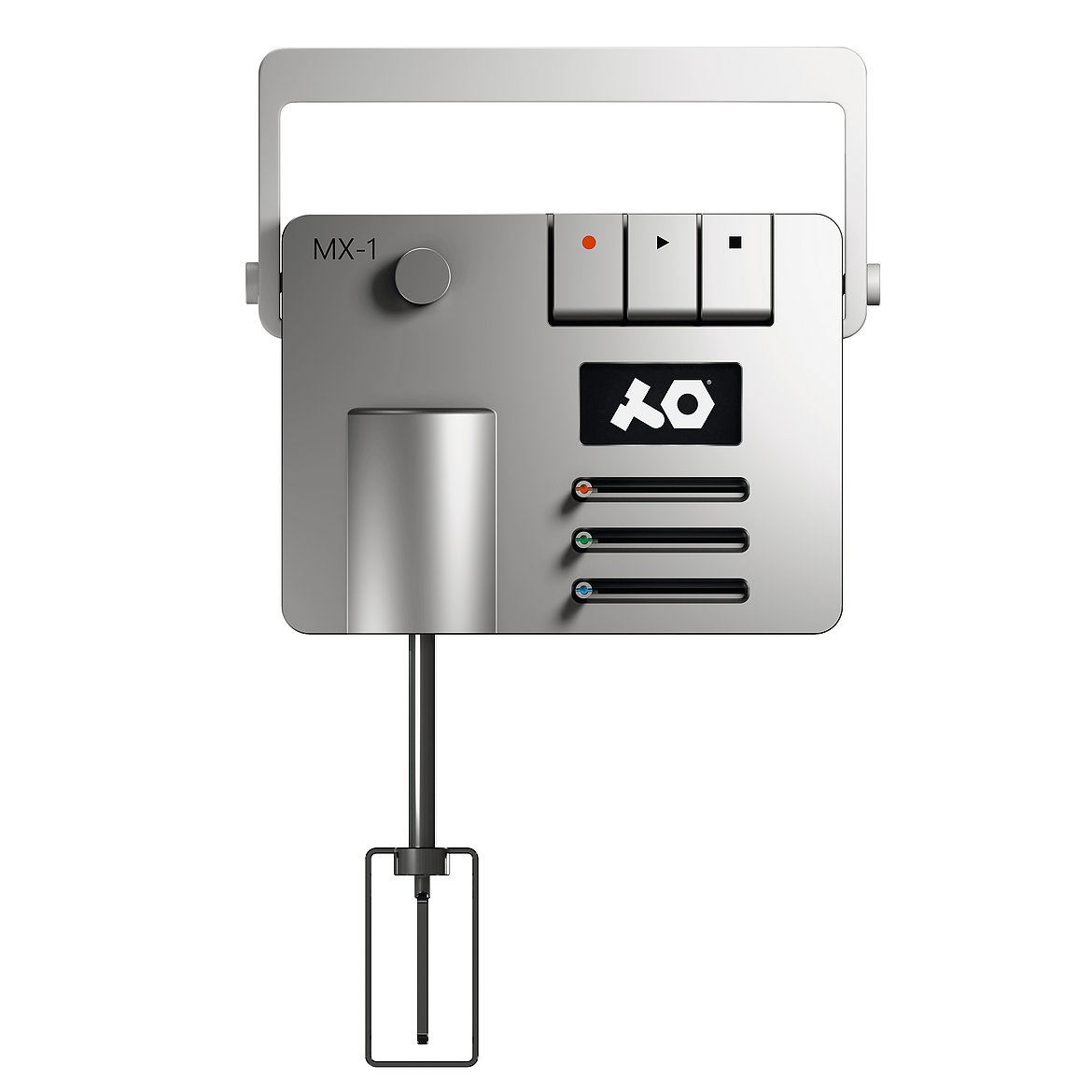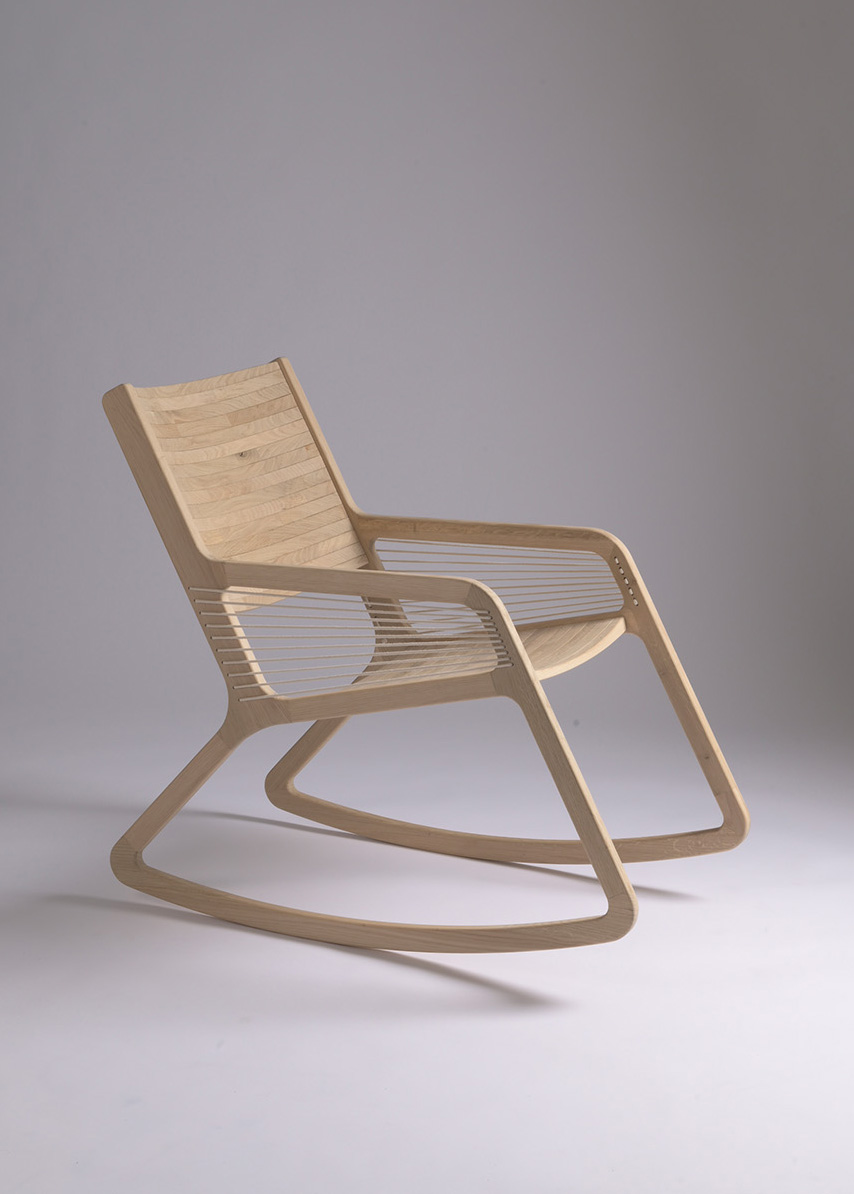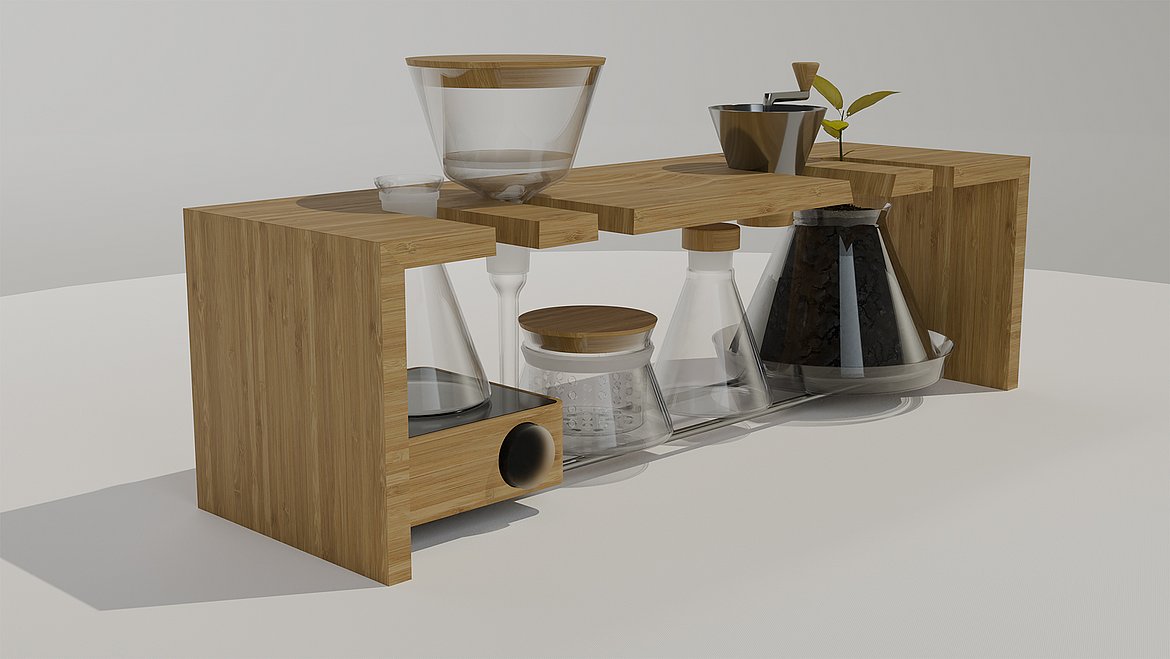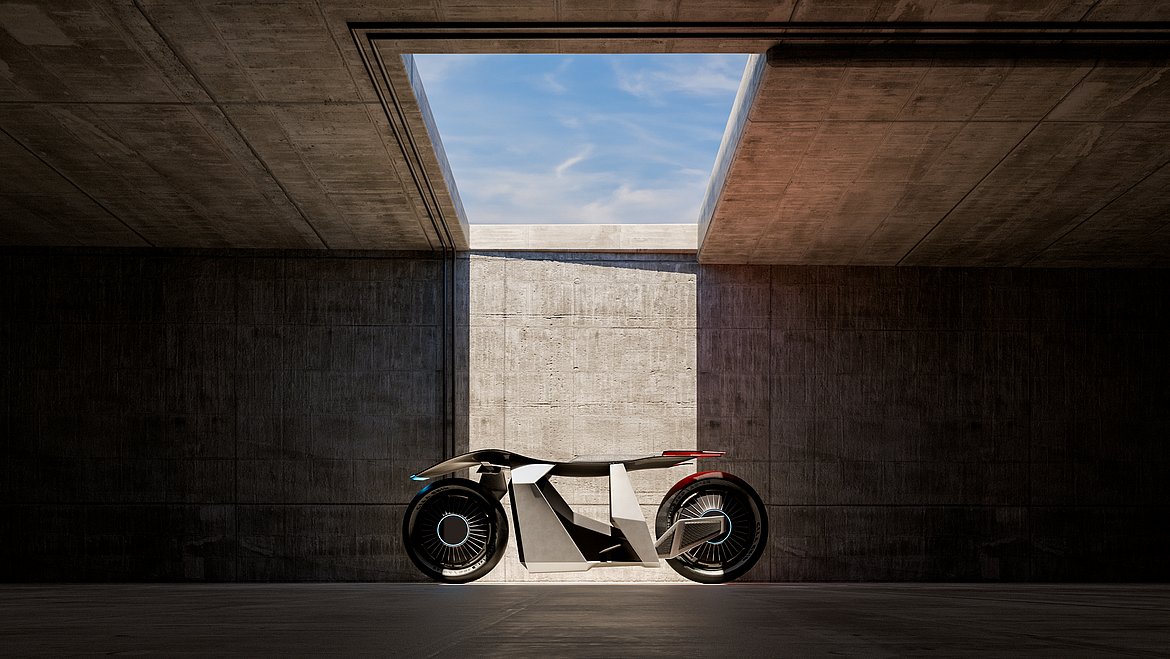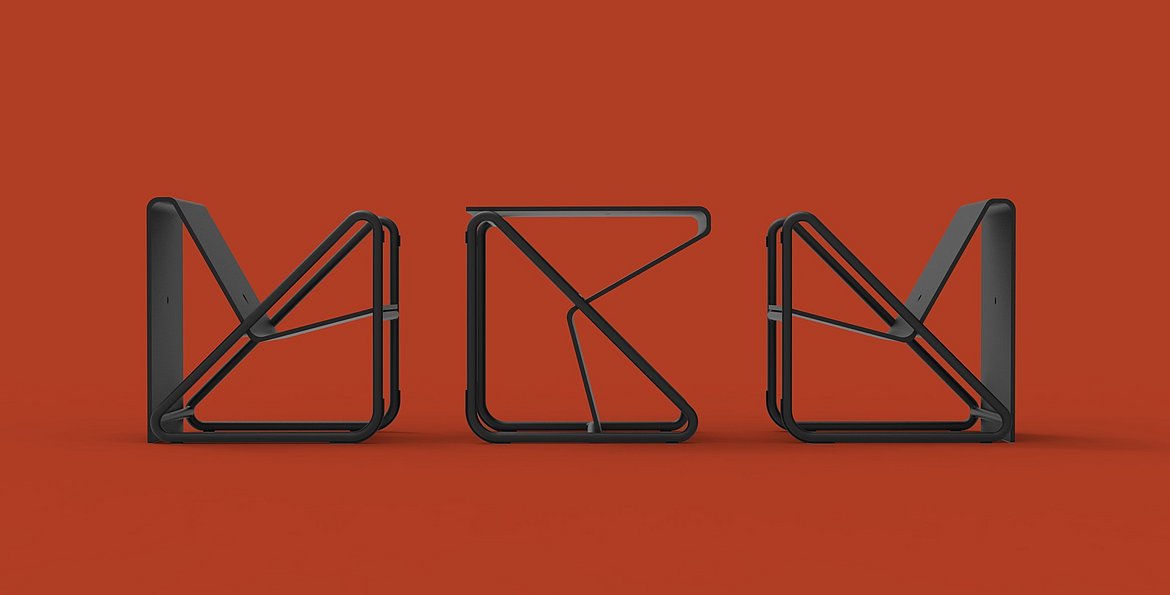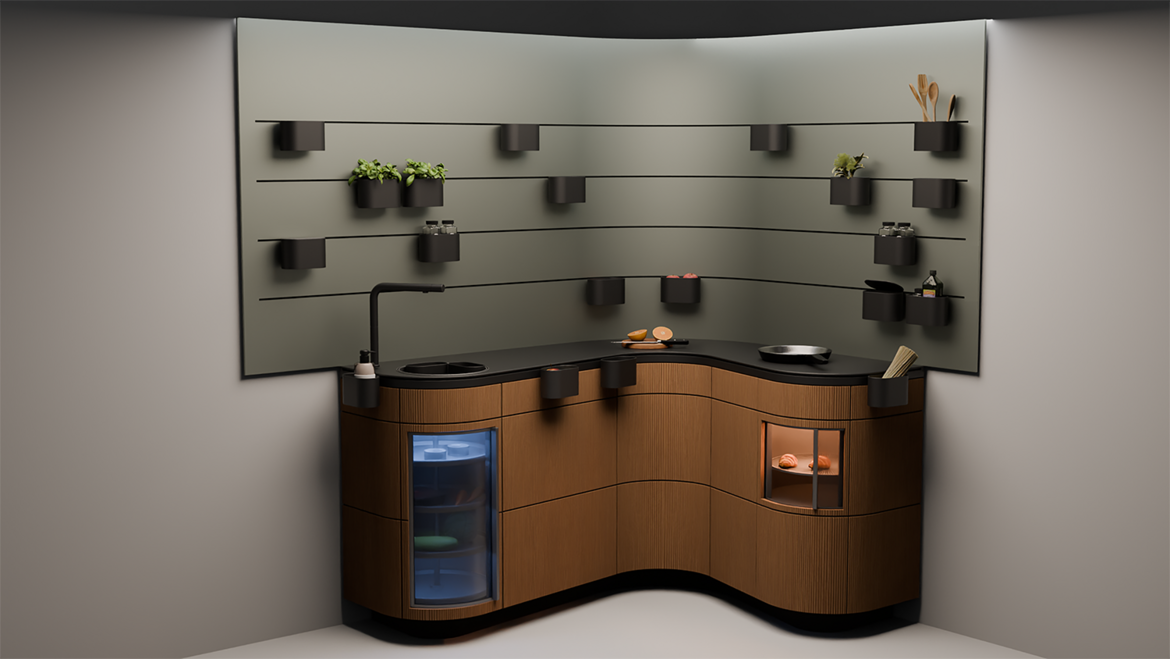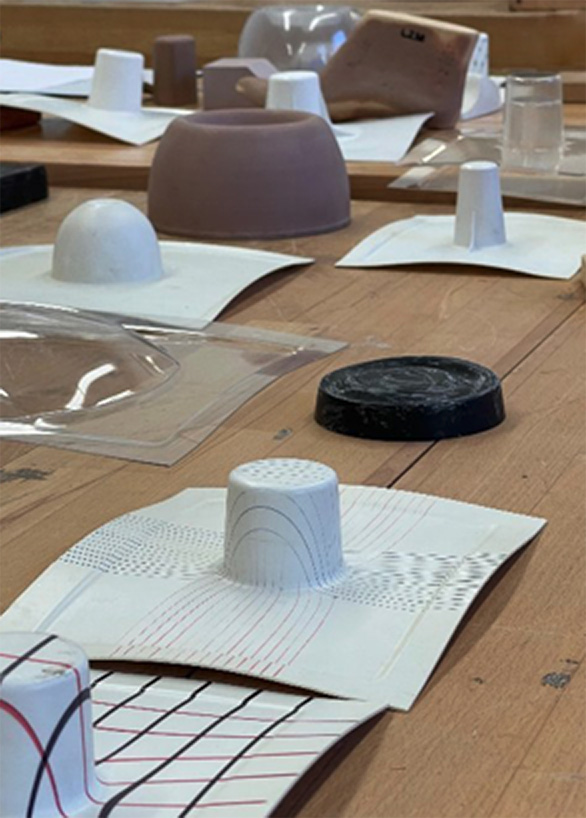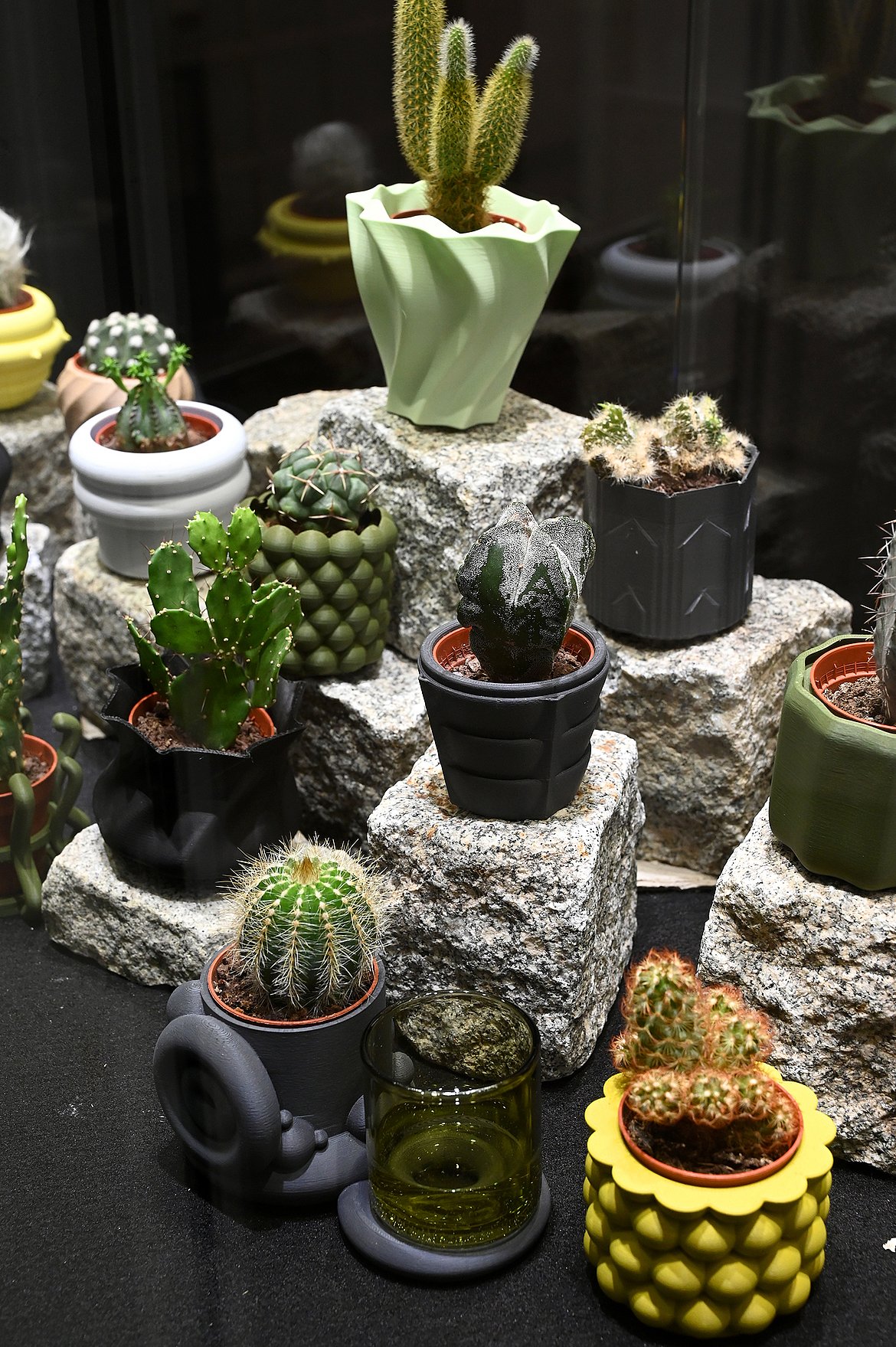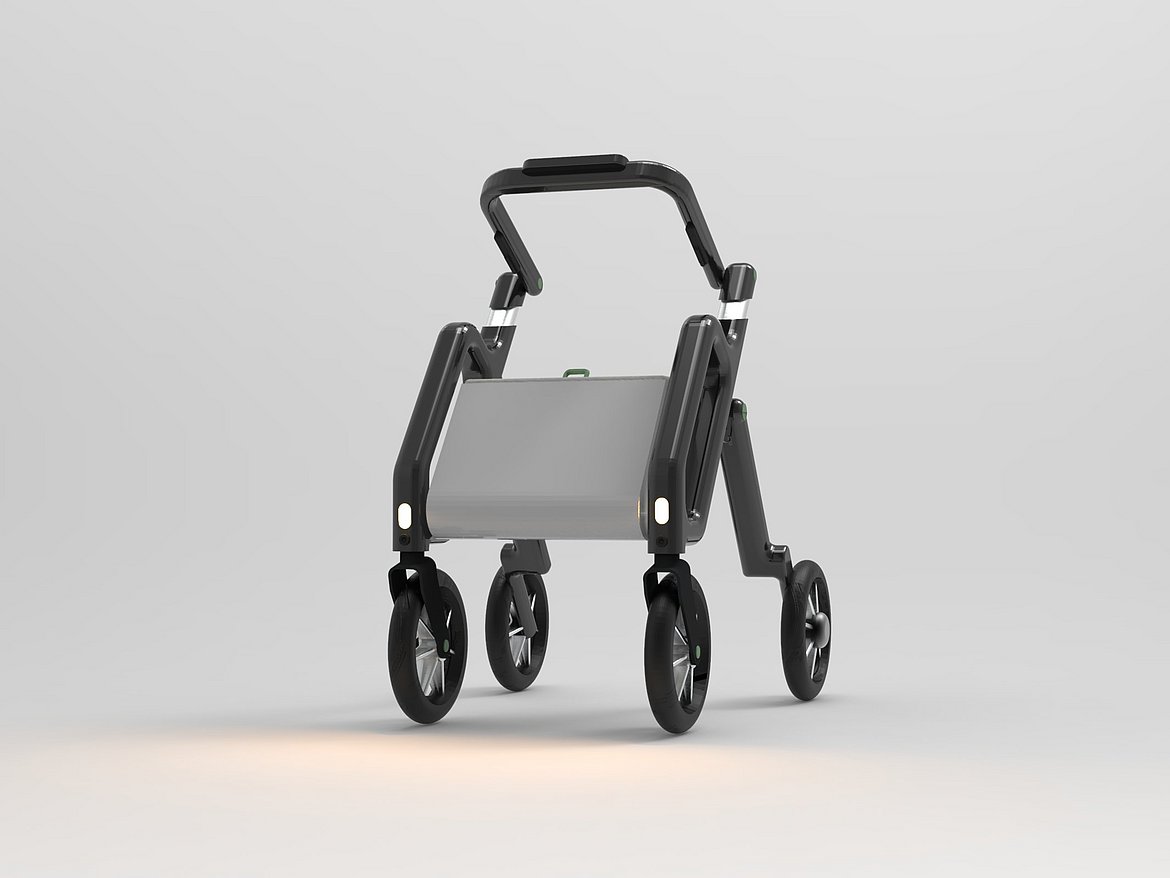
We want to enable our budding industrial designers to work independently and innovatively and guide them to develop their creative potential backed up by sound knowledge. The foundation for this is laid by teaching artistic design, art, cultural and media studies. We convey an understanding of entrepreneurial contexts, brands and marketing as well as the necessary legal foundations. In addition, technology and engineering aspects of product development, ergonomics and the human-machine interface are part of the curriculum. Our students learn to carry out design projects independently and with clearly defined time and result targets, we familiarize them with methods of information procurement, development and documentation of solution steps. Modern design, representation, presentation and working techniques also quickly become part of their repertoire. Theoretical knowledge is put to the test in practical project work, and networked work and teamwork skills are trained in interdisciplinary courses, which are an integral part of the course.
Since the presentation of complex ideas using scribbles, renderings, technical sketches and CAD models, as well as the transfer of technical data, is particularly important in the field of industrial design, these areas are taught in detail and in a practical manner by specialists. Our faculty also has excellently equipped workshops and production machines that make it possible to implement and test design ideas directly as illustrative models. Interdisciplinary work is expressly encouraged and also promoted through cooperation with renowned corporate partners and universities. In international comparison, German Industrial Design and the education of its students have an outstanding reputation. The Industrial Design course in Pforzheim has a great tradition, first-class connections and collaborations and successfully demonstrates its capabilities every semester in a major exhibition of work.
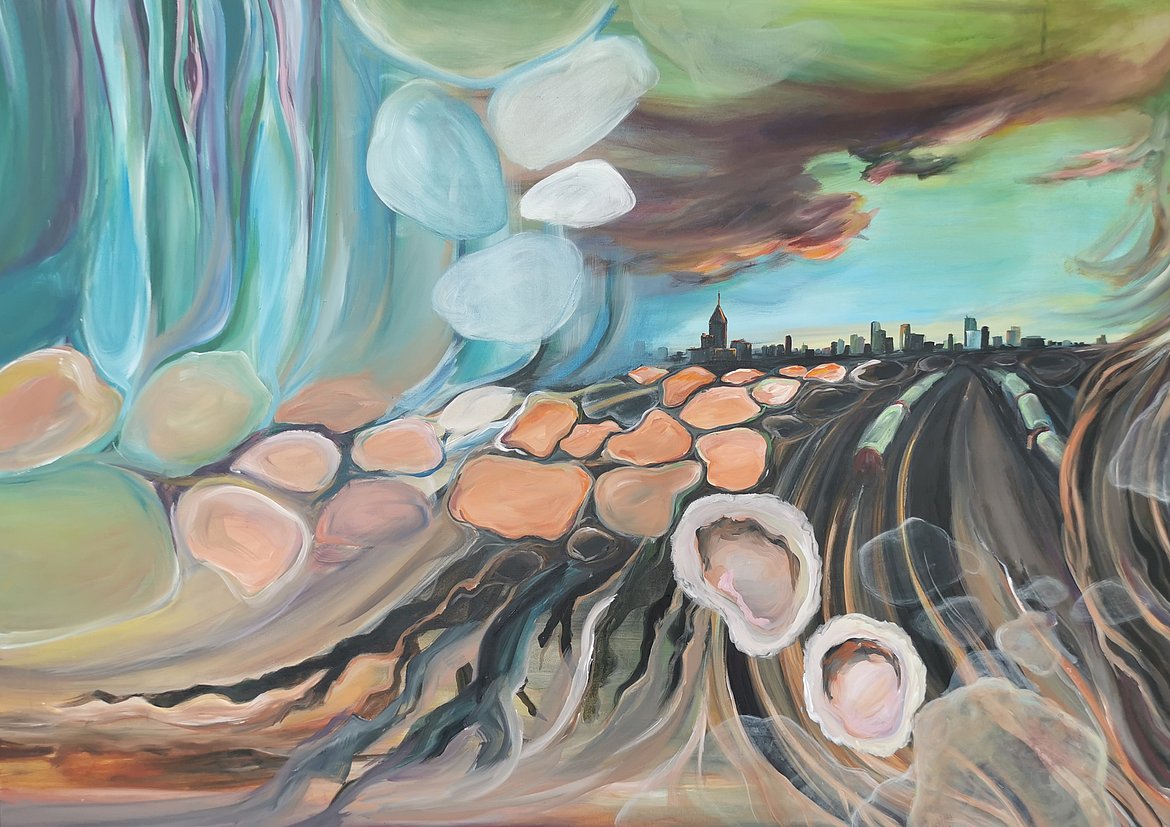
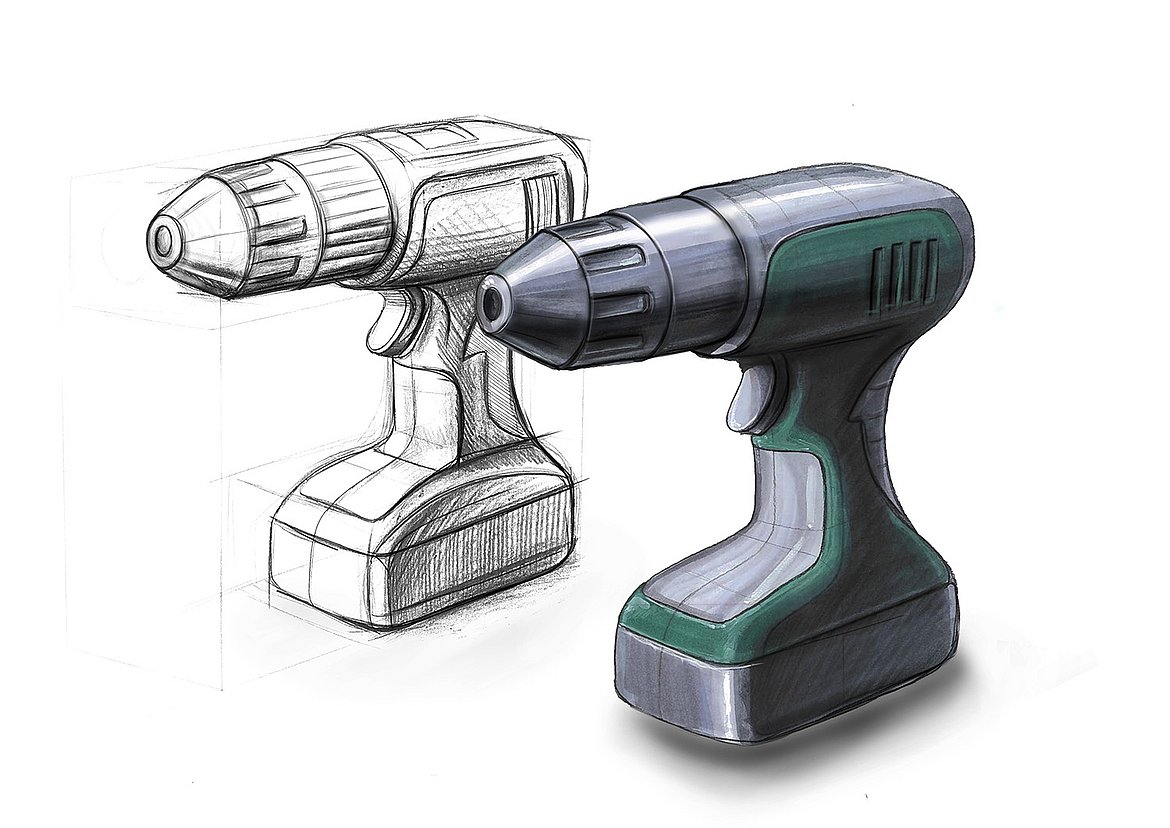
Industrial Design course content
(simplified presentation)
Optional before 1st semester:
Pre-Study Internship
1st semester:
Project I - Form & Semantics, introduction to manual design model making, basics of design, artifacts and methodology
2nd semester
Project II - Product development and design process, introduction to digital model making processes (3D printing, CNC machining), design drawing, CAD introduction
3rd semester
Project III - Original material, symbolism, character, materiality, introduction to manual and mechanical woodworking, engineering, presentation techniques, critical thinking
4th semester
Project IV - Visualization and Impact, Creative Economy, Interdisciplinary Project Work, Selection of Specialist Specializations
5th semester
Practical semester
6th semester
Project V - Zeitgeist, trend and holism, creative economy, UX design, interdisciplinary project work, selection of specializations
7th semester
Bachelor's thesis
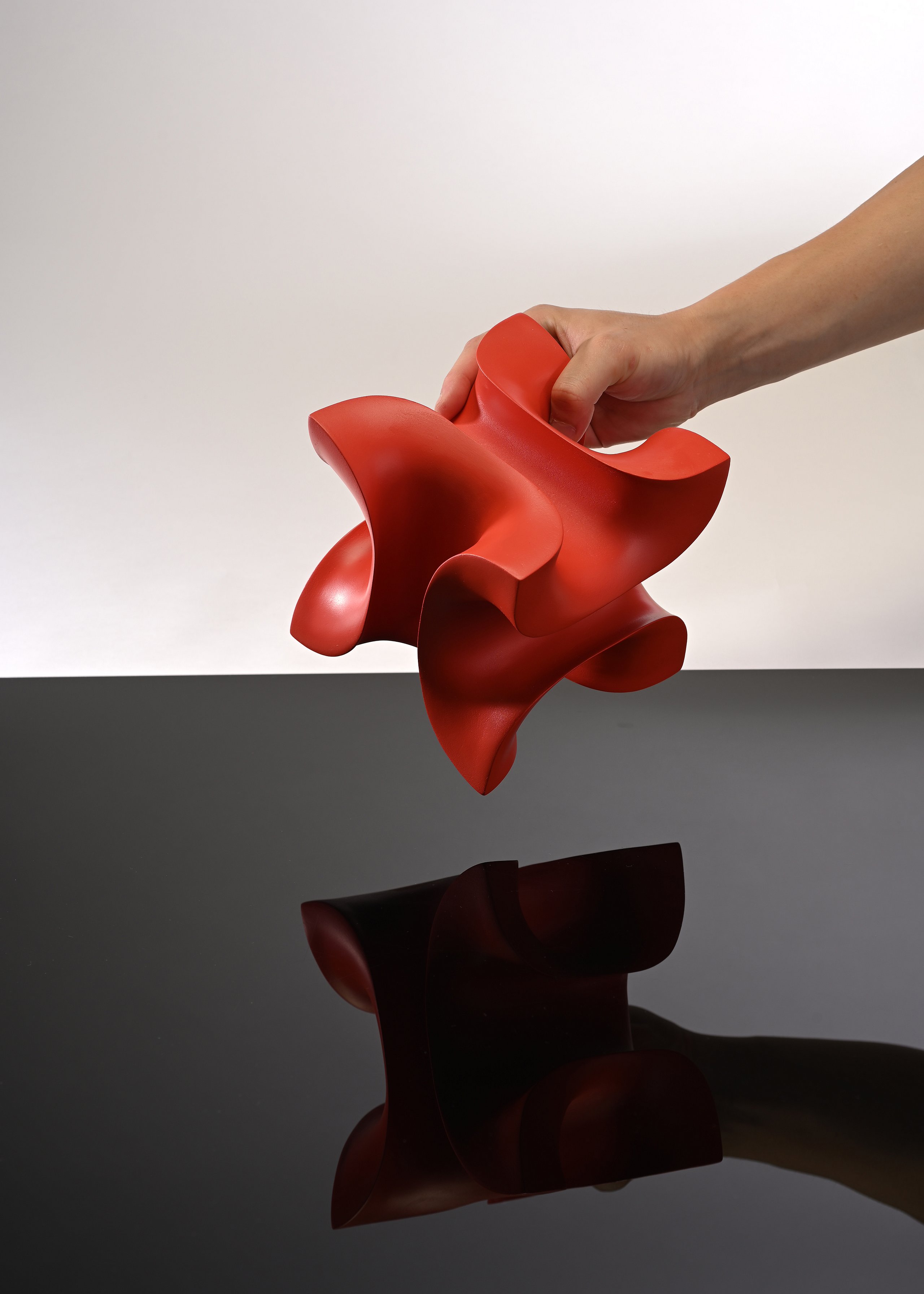
Course of study
Design is not possible without a deep understanding of function and technical possibilities in the self-image of the course. Design theory, production engineering, materials technology and innovative technical possibilities are therefore covered in detail. However, despite all the specialist knowledge, the focus is on applicability for the daily tasks of the designer - the course content is practical and meets the requirements of working as an industrial designer. The close network, the industry contacts and the projects carried out together with companies enable the course to train designers in an up-to-date and practical way for the industry.
Industrial Design at Pforzheim University offers in-depth knowledge, particularly in relation to the human-machine / human-environment interfaces, and carries out practice-oriented research and projects. Ergonomics and usability are just as important as averting risks, increasing efficiency and sustainability in terms of the environment and individual health. Joint projects with partner universities, projects with industry and interdisciplinary work within the university enable an intensive exchange and a high standard of education.
Practice-oriented insights
The practical semester in the 5th semester is an integral part of the degree course, it is supervised by the degree course and flanked by supporting courses. During the practical semester, students gain practical insights into their future professional life. They work actively in companies on design-related tasks and document the results. A stay abroad during the course is expressly supported, as this provides invaluable experience for students, broadens their perspective and refines their creative approach.
Applicants need a good spatial and perspective understanding, drawing skills, an interest in materials and materials, but above all enthusiasm for intelligently designed products. Skilled craftsmanship and previous knowledge of working with metals, plastics and wood are useful, but are also taught in the internships.
Use of workshops
The world works and designs digitally. We also teach these skills in our Industrial Design degree program. At the same time, we teach traditional craftsmanship and the associated skills. Our students acquire a combination of traditional, analog skills and innovative, digital working methods. During their studies, students make use of the various workshops at our university. In addition to our Design Lab, which is equipped with 3D printers, a laser cutting machine and a hand-held CNC milling machine, the faculty also has a large woodworking and model-making workshop. This prepares them to confidently take their individual standpoint as designers in our changing world.